Sumber Foto: iain parepare
Internasional
Peran Strategis Iran dalam Dinamika Kekuasaan Global
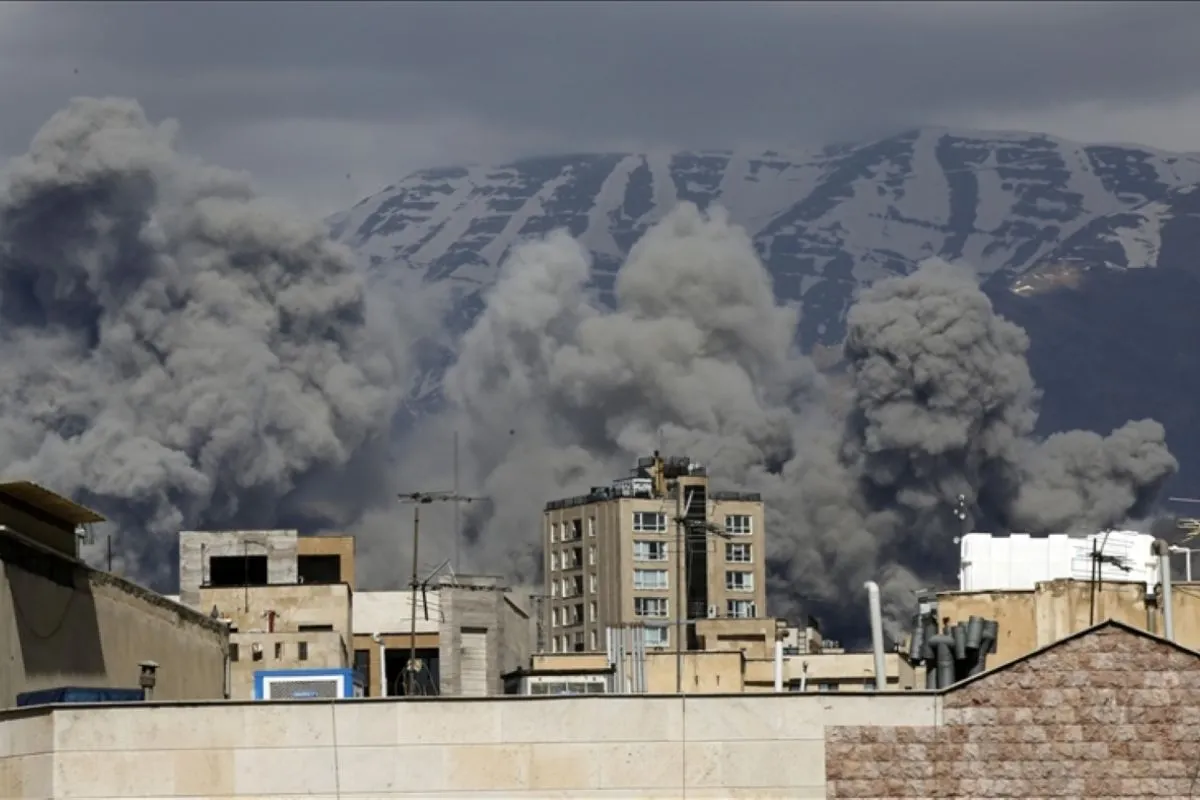
For years, many analysts have viewed the tensions between Iran and America as a classic regional conflict, an ideological rivalry, Israel's security, and a struggle for influence in the Middle East. However, such a perspective increasingly feels narrow to explain today's geopolitical reality. What is happening is not merely a regional conflict, but a chapter in a larger global competition.
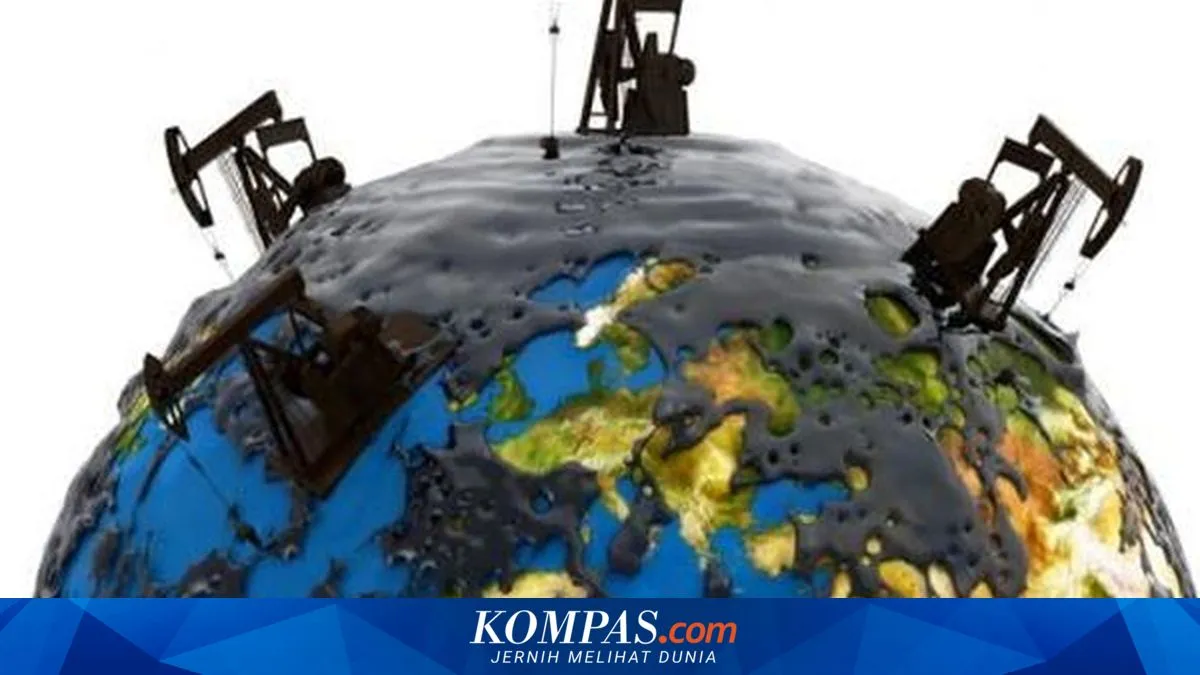
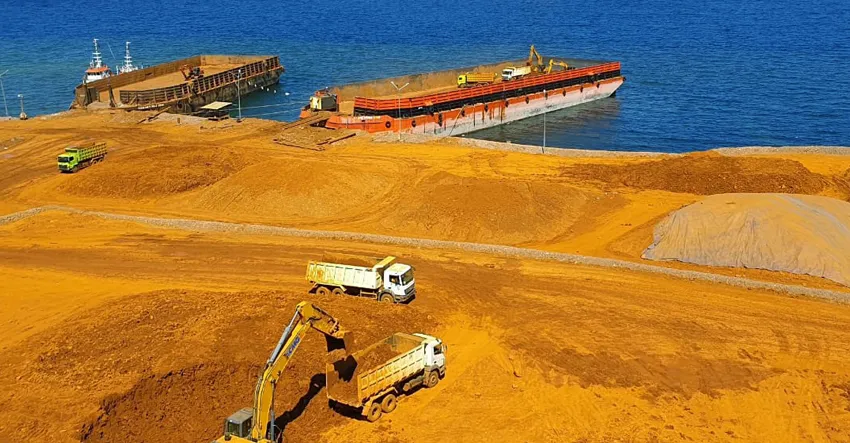
The Middle East is no longer a center of conflict solely because of identity or ideology, but because of energy, and energy remains the oldest language of power in international politics.
Iran stands at the intersection of geography, energy, and strategy. This country is not just an oil producer or a regional actor; it is a connecting hub between the Persian Gulf, Central Asia, and trade routes to East Asia. Therefore, any pressure on Iran almost always produces echoes that far exceed its territorial boundaries.
In Washington, many policymakers see Iran not just as an adversary, but as a 'strategic lever.' The logic is simple: whoever can control Iran's behavior will gain significant influence over the stability of the Gulf, and stability in the Gulf means control over the world's energy flows.
Energy dependence on foreign imports makes the Gulf region the lifeblood of its industrial economy. Giant Chinese factories not only need markets but also a stable and predictable energy supply. A small disruption in energy routes can have a significant impact on global production, supply chains, and international prices. Pressure on Iran can be read as a strategic message directed not only at Tehran but also at Beijing.
The 'maximum pressure' policy that was once pushed shows a shift in the American approach: conflict is not always intended to be won through direct war, but through limiting the opponent's economic and strategic maneuverability. Sanctions, financial isolation, and control of energy routes have become new instruments in the great power competition of the 21st century.
However, there is one factor that is often underestimated by global strategists: Iran's perception. Unlike many other regional countries, Iran does not see itself as an object of pressure, but as a political civilization with a historical mission. In its internal narrative, Iran is not just a country that endures, but a power that challenges the international order it deems unjust. This perception is what makes external pressure not always result in quick compliance.
The history of the Middle East shows that external pressure often strengthens domestic solidarity. Countries that feel they are defending national dignity tend to endure longer than expected.
Great wars are rarely started because one side wants to fight. They usually arise when two sides have different beliefs about the balance of power: one believes that pressure will force a compromise, while the other believes that pressure will force the opponent to retreat. When these two beliefs collide, escalation becomes almost inevitable.
Iran occupies a strategic position in the global balance of power. Any major change in this country's position not only alters the dynamics of the Middle East but also shakes energy markets, the global economy, great power relations (the United States, China, and Russia), and even the direction of the international security system.
However, history does not always follow a straight path. The Middle East has repeatedly been a testing ground for the great powers of the world, and often the outcomes differ from the initial plans of its architects.
Therefore, the real question is not whether this conflict is about Iran. Rather, what kind of world order is being built through this conflict?
For the United States, pressure on Iran is part of the effort to maintain its global leadership position. For China, energy stability is a prerequisite for the continuation of its economic rise. For Iran itself, resistance is a way to maintain its identity and regional influence. Three major narratives converge at the same geographical point.
And when global interests converge in a narrow space, history usually moves faster than diplomacy. Therefore, what we are witnessing today is not just a regional crisis. It is a long process of restructuring the global balance of power, a grand game of chess where every move has global consequences.
Editor: Hamzah
in Opinion
Sign in to leave a comment